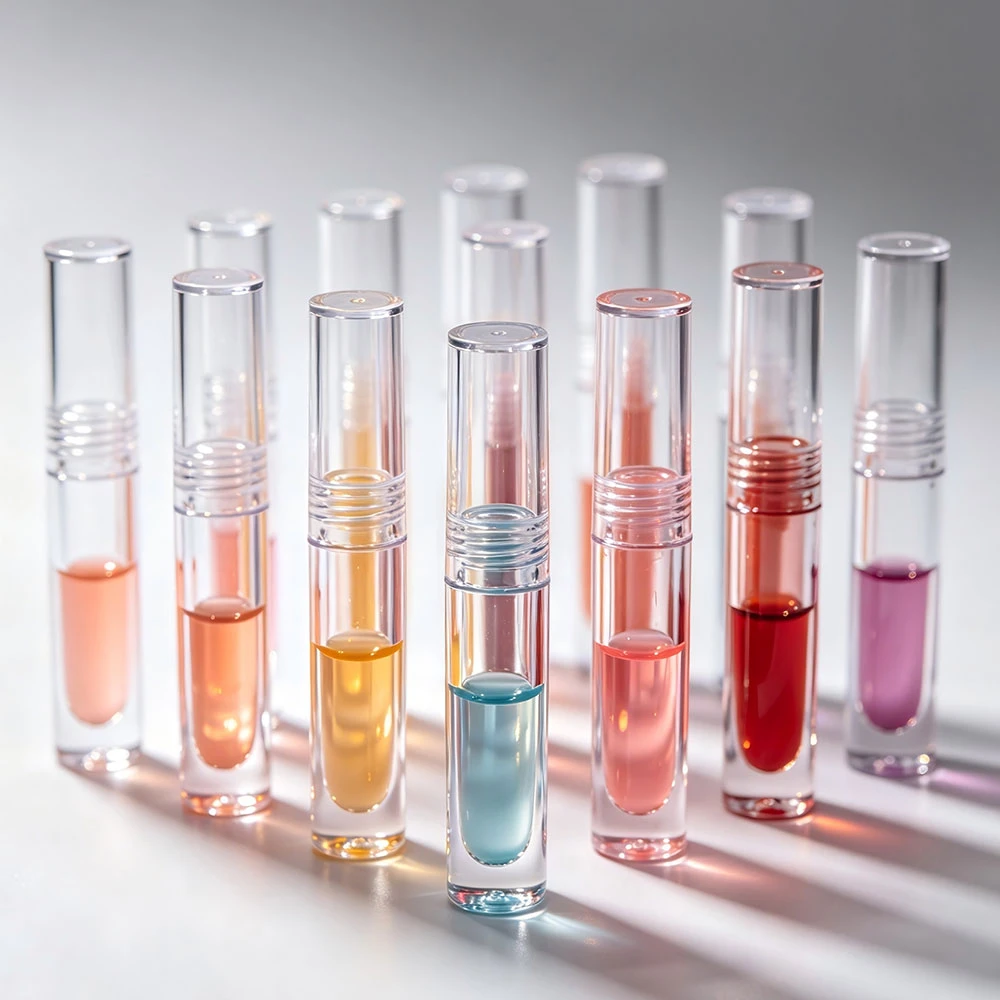
Safety Testing Standards
Key areas of focus include the analysis of heavy metal content (such as lead, arsenic, mercury, and cadmium) and microbiological indicators, ensuring that raw materials meet cosmetic-grade safety requirements. Additionally, colorants, organic pigments, and pearlescent materials must undergo assessments for potential irritation and sensitization to prevent risks to the sensitive eye area.
Chemical Property Testing Standards
These primarily encompass metrics such as particle size distribution, fineness, oil content, pH value, and binder content. The fineness of the powder must be uniform to prevent coarse particles from compromising the makeup finish; the oil-based system must remain stable, free from oxidation or changes in odor; furthermore, colorants are required to be uniformly dispersed to guarantee consistent color payoff.
Stability Testing Standards
These include tests for heat resistance, cold resistance, centrifugation, vibration, and accelerated aging, designed to detect issues such as stratification, clumping, fading, or excessive powder fallout. Additionally, tests regarding powder pickup and pan-pressing integrity are conducted to ensure that the final product is resistant to crumbling during use, offers easy color application, and delivers a stable makeup finish. The core objective of these comprehensive standards is to guarantee that the product is "safe, stable, uniform, and user-friendly."