

As a supplier of Moisturing Lip Balm Base Material, I've witnessed firsthand the growing demand for high - quality lip care products. One of the most common questions I receive from our customers is about the differences between natural and synthetic moisturizing lip balm base materials in terms of performance. In this blog, I'll delve into the various aspects that set these two types of base materials apart.
1. Source and Composition
Natural moisturizing lip balm base materials are derived from plant, animal, or mineral sources. For example, beeswax, a common natural ingredient, comes from honeybees. It provides a protective barrier on the lips, preventing moisture loss. Shea butter, extracted from the nuts of the shea tree, is rich in fatty acids and vitamins A and E, which nourish and hydrate the lips. Jojoba oil, which closely resembles the natural sebum produced by human skin, is also often used in natural lip balm bases for its excellent moisturizing properties.
On the other hand, synthetic moisturizing lip balm base materials are man - made in laboratories. They are designed to mimic the properties of natural substances or to create new, enhanced functions. For instance, petrolatum, a well - known synthetic ingredient, is a by - product of the petroleum refining process. It forms a thick, occlusive layer on the lips, effectively sealing in moisture. Silicones, another type of synthetic material, are often used for their smooth, slippery texture and ability to provide a long - lasting, non - greasy feel.
2. Moisturizing Performance
When it comes to moisturizing, both natural and synthetic materials have their strengths. Natural base materials often work by providing deep - seated hydration. For example, the fatty acids in shea butter penetrate the skin on the lips, replenishing lost moisture and softening the tissue. The natural waxes, such as candelilla wax or carnauba wax, form a breathable barrier that allows the lips to maintain their natural moisture levels without feeling suffocated.
Synthetic materials, however, are typically more focused on creating a physical barrier to prevent moisture loss. Petrolatum, as mentioned earlier, is extremely effective at occluding the lips, reducing transepidermal water loss (TEWL). Silicones also provide a durable, water - resistant film on the lips, which can keep them hydrated for an extended period. In some cases, synthetic materials may offer a more immediate and long - lasting moisture - locking effect, especially in harsh environmental conditions.
3. Sensory Experience
The sensory experience of using a lip balm can greatly influence consumer preference. Natural lip balm base materials often have a more "earthy" or "organic" feel. They may have a slightly thicker, creamier texture, and some natural ingredients can impart a subtle, pleasant scent. For example, coconut oil in a lip balm base can give a light, tropical aroma. The texture of natural lip balms can feel more substantial on the lips, which some consumers find comforting.
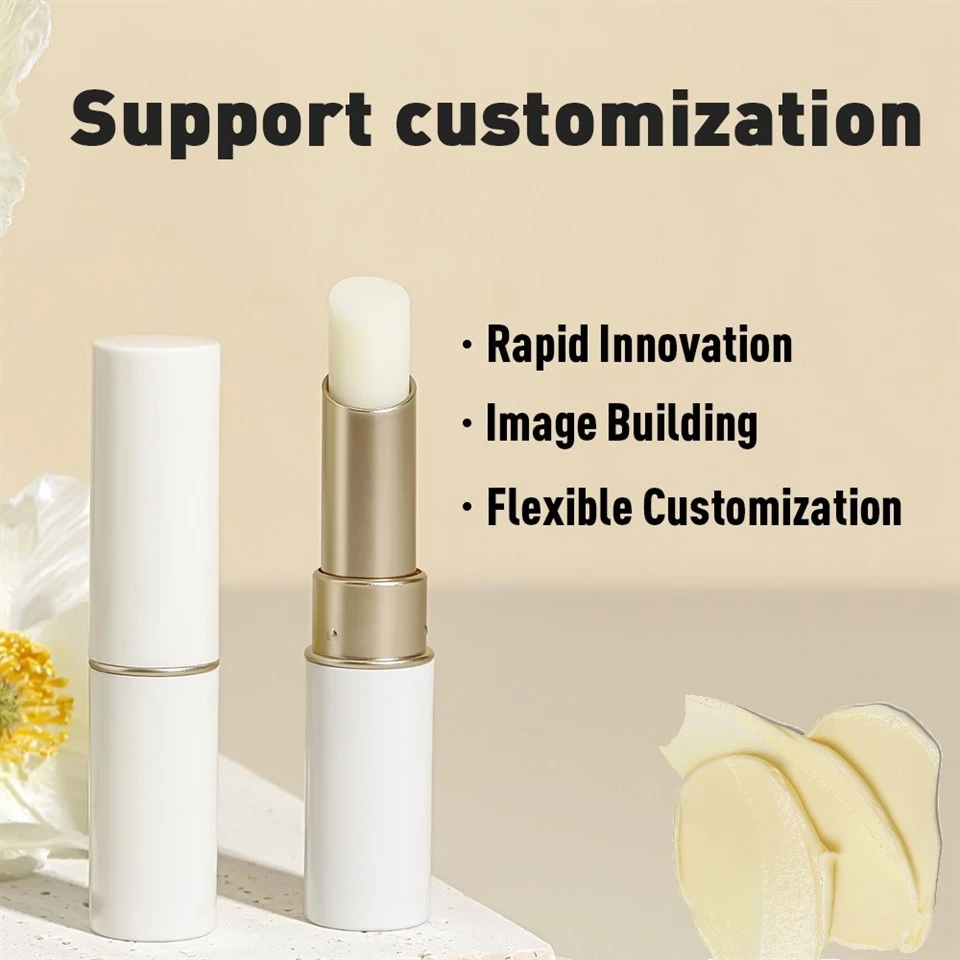
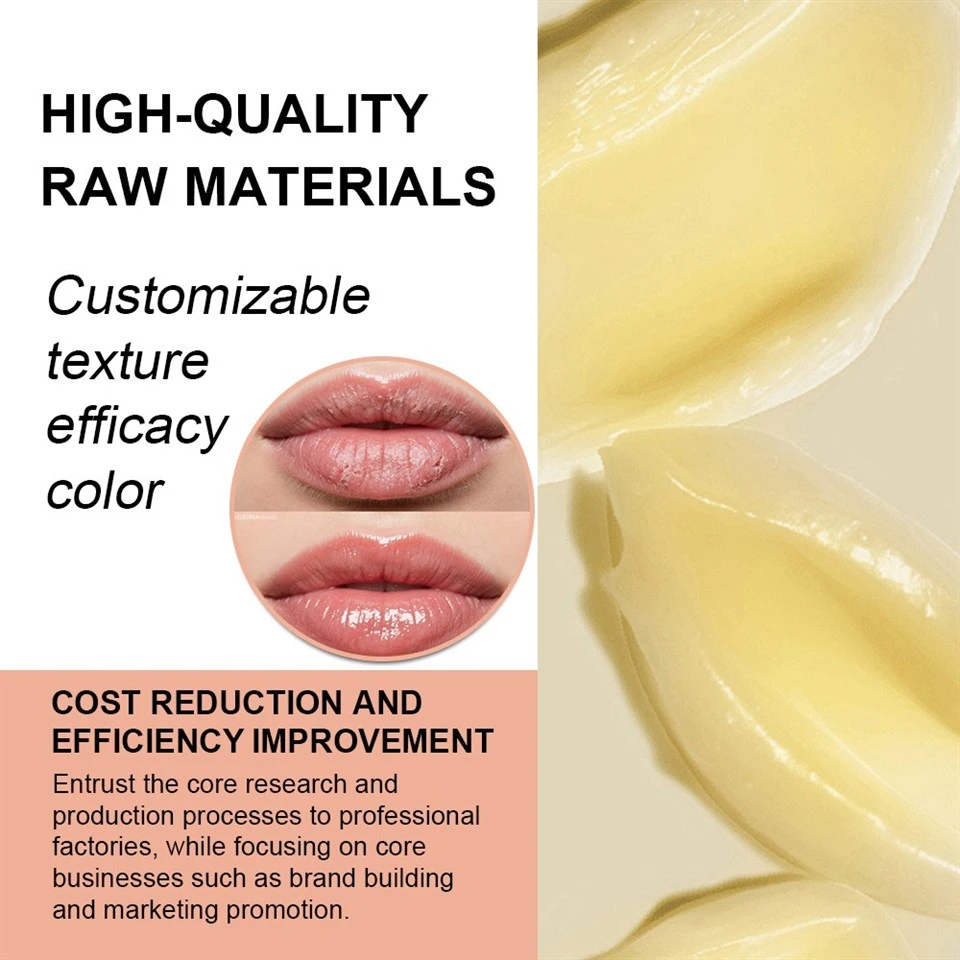
Synthetic lip balm base materials, in contrast, tend to have a smoother, more refined texture. They can be formulated to be very light and non - greasy, providing a clean and comfortable feel. Silicone - based lip balms, for example, glide on easily and leave a silky finish. Synthetic materials also offer more flexibility in terms of scent control, as they can be combined with a wide range of artificial fragrances to create unique and appealing scents.
4. Allergenic Potential
Allergy concerns are an important consideration for many consumers. Natural lip balm base materials are generally perceived as being more hypoallergenic. Since they are derived from natural sources, they are often free from the synthetic chemicals that can trigger allergic reactions in some individuals. However, it's important to note that natural materials can still cause allergies in some people. For example, beeswax can cause allergic reactions in those with a bee allergy, and some plant - based oils may cause contact dermatitis.
Synthetic materials, on the other hand, have a more mixed record when it comes to allergenic potential. While many synthetic ingredients are well - tolerated, some people may be sensitive to certain chemicals used in their production. For example, some individuals may have an allergic reaction to parabens, which are sometimes used as preservatives in synthetic lip balm bases. However, with proper formulation and quality control, the risk of allergic reactions can be minimized.
5. Sustainability and Environmental Impact
In today's environmentally conscious world, the sustainability of the materials used in lip balm bases is a significant factor. Natural lip balm base materials are often considered more sustainable. Plant - based ingredients can be sourced from renewable resources, and many natural materials are biodegradable. For example, shea butter is produced in a way that supports local communities in Africa, and the production of beeswax is part of the natural honey - making process.
Synthetic materials, however, have a more complex environmental profile. Some synthetic ingredients are derived from non - renewable resources, such as petroleum. The production of synthetic materials often involves energy - intensive processes and may generate chemical waste. However, the cosmetic industry is making efforts to develop more sustainable synthetic materials, such as bio - based polymers that are derived from renewable resources.
6. Cost and Availability
Cost is always a consideration for both manufacturers and consumers. Natural lip balm base materials can vary widely in price. Some common natural ingredients like coconut oil are relatively inexpensive and widely available. However, high - quality shea butter or rare plant oils can be quite costly. Additionally, the availability of natural materials can be affected by factors such as weather conditions, crop yields, and political instability in the regions where they are sourced.
Synthetic materials, on the other hand, are often more consistent in terms of cost and availability. They can be mass - produced in large quantities, and their production is less affected by natural factors. This makes them a more reliable option for large - scale lip balm manufacturing.
Conclusion
In conclusion, both natural and synthetic moisturizing lip balm base materials have their unique advantages and disadvantages in terms of performance. Natural materials offer deep hydration, a more "natural" sensory experience, and generally lower allergenic potential, while also being more sustainable in many cases. Synthetic materials, on the other hand, provide excellent moisture - locking properties, a smooth texture, and more consistent cost and availability.
As a supplier of Moisturing Lip Balm Base Material, we offer a wide range of both natural and synthetic options to meet the diverse needs of our customers. Whether you are interested in Moisturizing Lip Care Diy, or are looking for Lip Base Cosmetic Raw Material for large - scale production, we have the expertise and products to support you. We also provide OEM and ODM Lip Makeup Base Material services, allowing you to create your own unique lip balm formulations. Our Lip Balm Premium Raw Material is carefully selected to ensure the highest quality and performance.
If you are interested in learning more about our products or would like to discuss your specific requirements, please don't hesitate to contact us for procurement and negotiation. We are committed to providing you with the best solutions for your lip balm manufacturing needs.
References
- Cosmetics Science and Technology, Third Edition, edited by Philippe Barel, Harry Maibach
- Handbook of Natural Extracts by J. D. Pike
- Cosmetic Microbiology: A Practical Approach by Jim Board and John L. Faergemann