

Hey there! As a supplier of Jelly Blush Semi - finish Raw Material, I know how crucial it is to ensure the top - notch quality of our products. In this blog, I'm gonna share with you some effective ways to test the quality of Jelly Blush Semi - finish Raw Material.
1. Visual Inspection
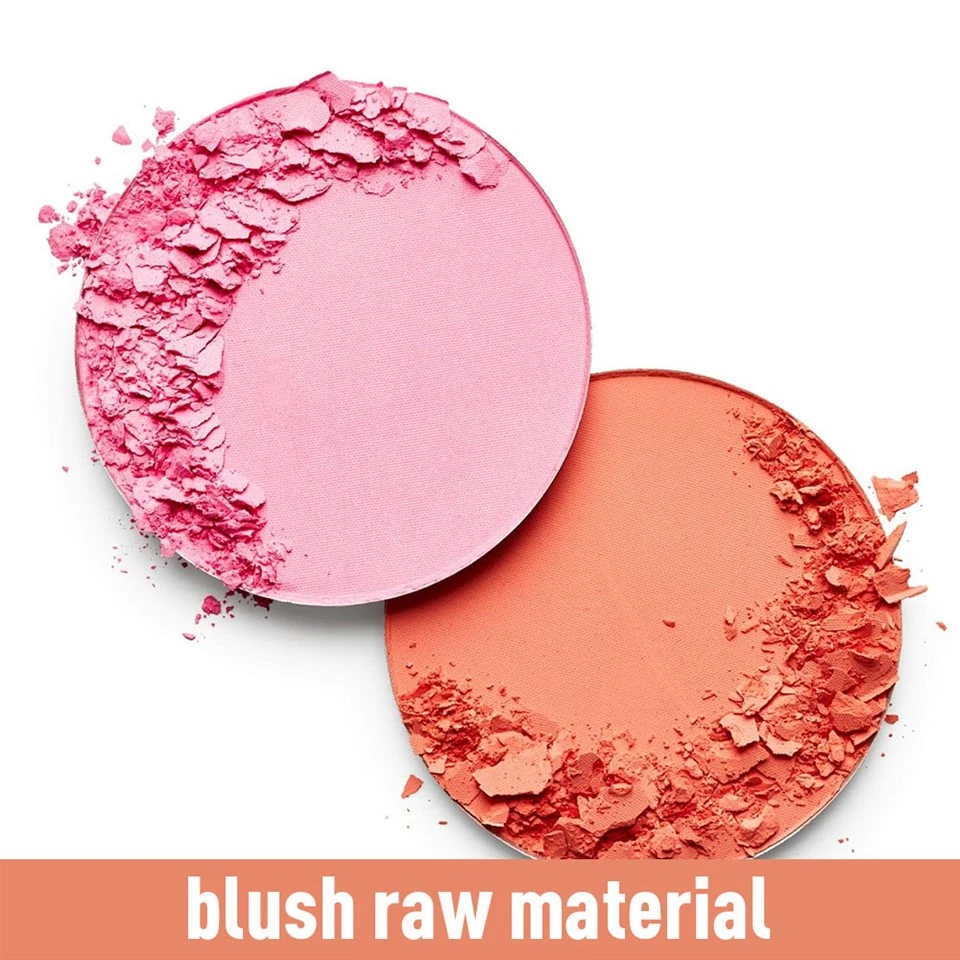
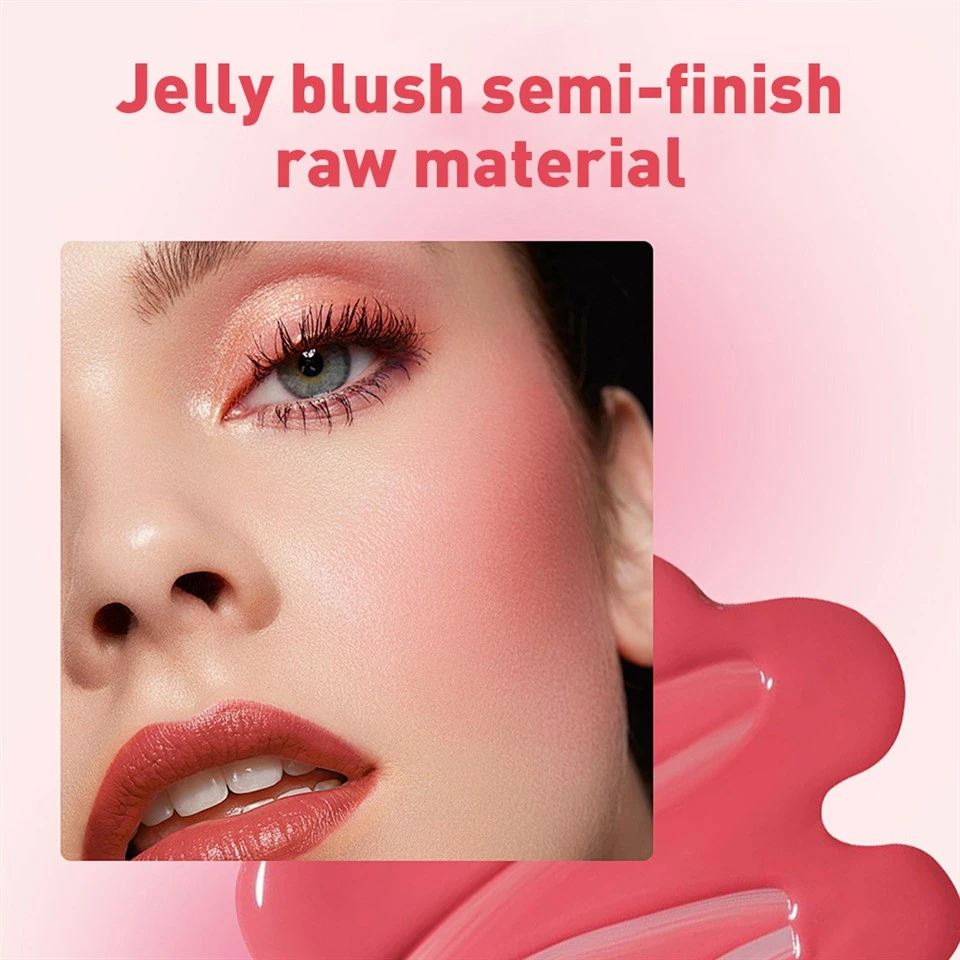
The first step in testing the quality of Jelly Blush Semi - finish Raw Material is a simple visual check. You can easily spot a lot just by looking at it. First off, check the color. The color should be consistent throughout the batch. Any signs of discoloration, like dark spots or uneven patches, could indicate issues with the raw materials or the manufacturing process.
For instance, if you're dealing with a Colorful Liquid Cheek Blush Base, the colors should be vivid and well - blended. A dull or faded color might mean that the pigments are of low quality or have degraded over time.
The texture is another important visual aspect. The jelly blush raw material should have a smooth and uniform texture. If there are lumps, clumps, or a grainy feel, it could be a sign of improper mixing during production. Stir the material gently; if it separates easily or has an uneven consistency, that's not a good sign.
2. Odor Test
The smell of the Jelly Blush Semi - finish Raw Material can tell you a lot about its quality. A fresh and clean odor is what you're aiming for. Any strange, pungent, or foul smells could indicate contamination or spoilage.
For example, if you detect a strong chemical smell that's different from the normal scent of the product, it might be because of the use of low - quality solvents or improper storage conditions. On the other hand, a musty or moldy smell could mean that the material has been exposed to moisture and has started to grow mold.
3. pH Level Testing
The pH level of the Jelly Blush Semi - finish Raw Material is super important. Our skin has a natural pH level, and if the blush is too acidic or too alkaline, it can cause skin irritation. You can use a pH test strip or a pH meter to measure this.
The ideal pH range for jelly blush raw materials is usually between 5.5 and 7.0. If the pH is outside this range, it might not be suitable for use on the skin. For example, a high - alkaline product can disrupt the skin's natural barrier, leading to dryness, redness, and even breakouts.
4. Stability Testing
Stability is key when it comes to cosmetic raw materials. You want to make sure that the Jelly Blush Semi - finish Raw Material remains stable under different conditions. This includes temperature, humidity, and light exposure.
For temperature testing, you can place samples in different temperature environments. For example, put some in a refrigerator at a low temperature (around 4°C) and some in a warm place (around 40°C) for a certain period, say a few weeks. Then, check for any changes in color, texture, or separation. If the material becomes too thick or thin, or if it separates into layers, it might not be stable.
Humidity can also affect the product. You can use a humidity chamber to expose the samples to different humidity levels. High humidity can cause the material to absorb moisture and become sticky, while low humidity can make it dry out.
Light exposure is another factor. Ultraviolet (UV) light can cause the pigments in the blush to fade and the material to degrade. You can use a light - stability chamber to expose the samples to simulated sunlight for a set period. If the color fades or changes significantly, it means the product is not light - stable.
5. Microbiological Testing
Microbial contamination is a big no - no in cosmetic products. You need to test the Jelly Blush Semi - finish Raw Material for the presence of harmful bacteria, fungi, and yeasts.
There are several methods for microbiological testing. One common way is the plate - count method. You take a sample of the raw material, dilute it, and then spread it on a culture medium. After incubating it for a specific time at a certain temperature, you count the number of colonies that grow. If there are too many colonies, it indicates contamination.
Another method is the use of rapid microbial detection kits. These kits can give you results much faster than the traditional plate - count method and are very convenient for on - site testing.
6. Adhesion and Spreadability Testing
The adhesion and spreadability of the Jelly Blush Semi - finish Raw Material are important for the final product's performance. To test adhesion, you can apply a small amount of the raw material on a skin - like surface, such as a silicone skin model. Then, gently rub it with a finger. If it easily comes off or doesn't stick well, it might have poor adhesion.
For spreadability, you can use a spreadability tester or simply use your finger to spread the material on the surface. The material should spread smoothly and evenly without dragging or clumping. If it's too thick and doesn't spread well, or if it spreads too thinly and doesn't stay in place, it might not be of good quality.
7. Compatibility Testing
If you plan to mix the Jelly Blush Semi - finish Raw Material with other ingredients to make the final product, you need to do compatibility testing. Take small samples of the raw material and mix it with different additives, such as preservatives, fragrances, and other pigments.
Watch for any signs of reactions, such as changes in color, texture, or the formation of precipitates. If there are any negative reactions, it means the raw material is not compatible with those additives, and you'll need to find alternative ingredients.
As a supplier, I want to stress that we offer high - quality Jelly Blush Semi - finish Raw Material. And guess what? We have Free Sample Available Blush Base so that you can test the quality for yourself before making a bulk order. We also have a range of Blush Raw Material and Color Blush Semi - finish Base Material to meet your different needs.
If you're interested in our products, I highly encourage you to reach out for a purchase negotiation. We're more than happy to discuss the details and ensure you get the best deal for the top - quality raw materials.
References
- Cosmetic Science and Technology by Harry and Lloyd
- Handbook of Cosmetic Science and Technology by Anil K. Barel, Maibach Howard I.